Pregnancy brings many beautiful changes, but for some women, it also brings unexpected skin concerns. If you have noticed an itchy rash appearing during pregnancy, you are not alone. Hormonal shifts, stretching skin, and changes in immunity can all influence how your skin behaves.
While many pregnancy rashes are harmless and temporary, some require medical assessment. Understanding the difference can give you peace of mind and help you decide when to seek advice.
What Causes an Itchy Rash During Pregnancy?
Several factors contribute to skin changes during pregnancy:
1. Hormonal Fluctuations
Rising oestrogen and progesterone levels may increase skin sensitivity, redness, and itchiness.
2. Skin Stretching
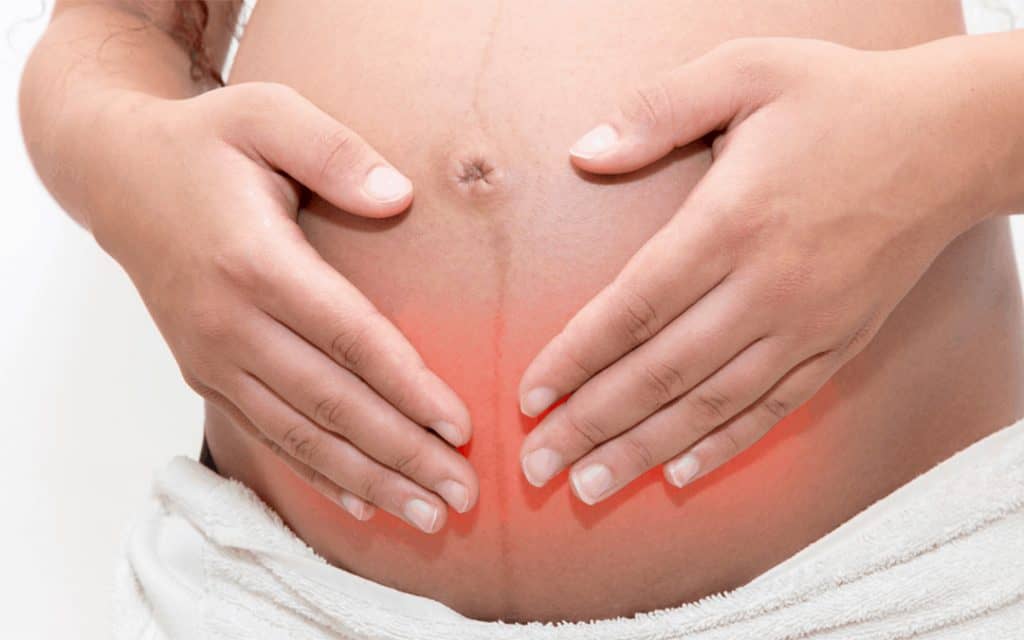
As the abdomen expands, the skin becomes tight and dry. This can trigger irritation and small red bumps.
3. Changes in the Immune System
Pregnancy alters immune responses, which may lead to flare-ups of eczema, psoriasis, or other pre-existing skin conditions.
4. Increased Heat and Sweating
Singapore’s warm climate can worsen heat rashes, especially under the breasts, abdomen, and inner thighs.
Common Pregnancy Rashes
PUPPP (Pruritic Urticarial Papules and Plaques of Pregnancy)
Pruritic Urticarial Papules and Plaques of Pregnancy, often called PUPPP, usually appears in the third trimester. It commonly starts within stretch marks on the abdomen and may spread to the thighs or arms.
It can be very itchy but does not typically affect the baby.
Eczema Flare-Ups in Pregnancy
Eczema may worsen during pregnancy, even in women who have not had symptoms for years. Skin may feel dry, inflamed, and intensely itchy.
Heat Rash (Miliaria)
Miliaria occurs when sweat ducts become blocked. Small red or clear bumps may appear in warm, covered areas of the body.
Contact Dermatitis
Contact Dermatitis may develop if your skin reacts to new skincare products, fabrics, or laundry detergents introduced during pregnancy.
When Is an Itchy Pregnancy Rash Normal?
In many cases, mild rashes that:
- Are localised
- Improve with moisturising
- Do not involve fever or blistering
are temporary and manageable with simple measures.
However, persistent or severe itching should not be ignored.
When Should I See a Dermatologist?
Seek medical assessment if you notice:
- Severe itching, especially at night
- Blistering or widespread rash
- Rash involving palms and soles
- Associated symptoms such as fever
- Rapid spreading of lesions
Rare conditions such as Pemphigoid Gestationis or systemic concerns like Obstetric Cholestasis may require further evaluation and coordination with your obstetrician.
An accurate diagnosis ensures that both mother and baby remain well cared for.
How Can Pregnancy Rashes Be Managed Safely?
Treatment during pregnancy focuses on symptom relief while prioritising safety.
Depending on the diagnosis, options may include:
- Pregnancy-safe moisturisers to restore skin barrier
- Mild topical medications when appropriate
- Antihistamines (if suitable and prescribed)
- Avoidance of known triggers
- Advice on breathable clothing and gentle skincare
Individual treatment should always be tailored to your stage of pregnancy and overall health.
Frequently Asked Questions About Pregnancy Rashes
1. Is it normal to develop a rash during pregnancy?
Yes. Many women experience temporary rashes due to hormonal changes and skin stretching. Most are harmless, but persistent or severe symptoms should be assessed.
2. Will a pregnancy rash harm my baby?
Common rashes such as PUPPP and mild eczema do not typically affect the baby. However, certain rare conditions require medical review.
3. Can I use steroid creams during pregnancy?
Some mild topical steroids may be prescribed when necessary. Self-medicating without medical advice is not recommended.
4. Why is my itching worse at night?
Hormonal fluctuations and increased skin blood flow may intensify itching in the evening. Severe night-time itching should be evaluated.
5. Will the rash go away after delivery?
Many pregnancy-related rashes resolve after childbirth, although recovery time varies.
A Gentle Reminder for Expectant Mums
If you are experiencing a new or worsening rash during pregnancy, you do not have to simply endure it. Early assessment can provide reassurance and appropriate guidance.
Dr Joyce Lim is an accredited dermatologist with over 30 years of experience managing medical skin conditions in both adults and children. She works closely with patients to ensure that treatment plans are appropriate for pregnancy and individual health needs.
When to Seek Medical Advice
If your pregnancy rash is persistent, worsening, or causing significant discomfort, consider arranging a consultation for a proper diagnosis and personalised management plan.
To make an appointment at Joyce Lim Skin & Laser Clinic, please contact the clinic directly. Early assessment supports safe and appropriate care for you and your baby.