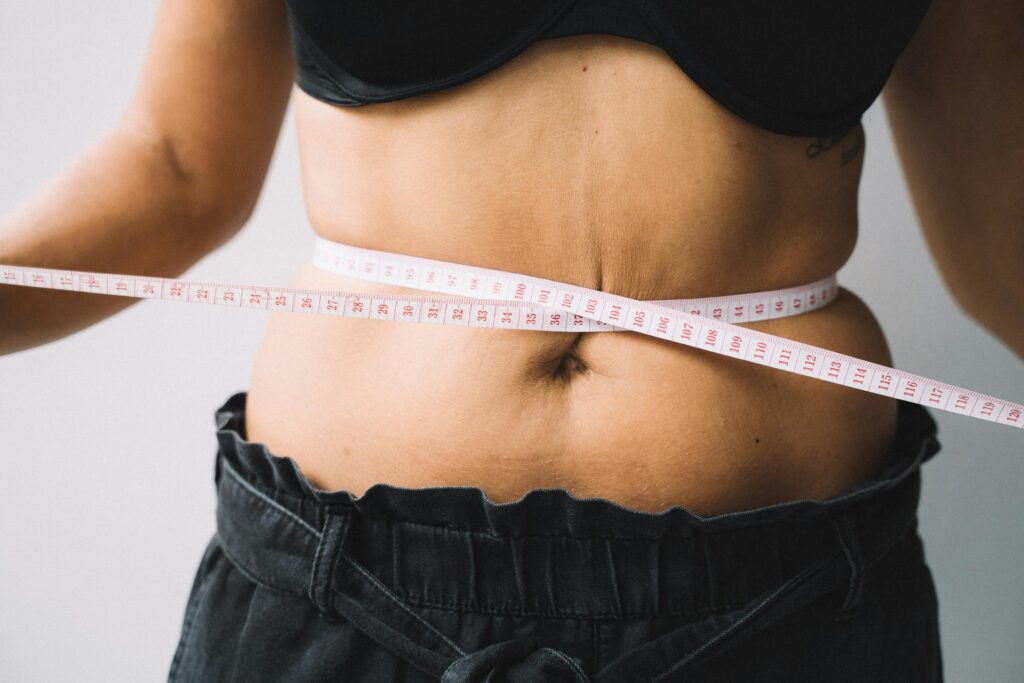
If you have been exploring non-surgical ways to address stubborn areas of fat, you may have come across cryolipolysis. A common question that follows is how the treatment is able to focus on fat cells while leaving the surrounding skin and tissues largely unaffected.
Key Pointers
- Cryolipolysis uses controlled cooling to affect fat cells beneath the skin
- Fat cells are more sensitive to cold compared to surrounding tissues
- The body gradually clears affected fat cells over time
- Skin, nerves, and muscles are generally not targeted during treatment
- Results tend to develop progressively over several weeks to months
What is cryolipolysis, and how does it work?
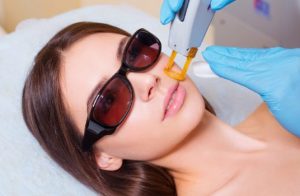
Cryolipolysis is a non-invasive procedure that uses controlled cooling to target localised fat deposits. During the treatment, a device is applied to the skin, delivering a precise temperature to the underlying fat layer.
The principle behind this approach is based on the idea that fat cells respond differently to cold compared to other types of cells. When exposed to certain temperatures, fat cells undergo a gradual breakdown process.
Over time, the body processes and removes these affected fat cells through its natural metabolic pathways.
Why are fat cells more sensitive to cold than other tissues?
One of the reasons cryolipolysis can be selective lies in the composition of fat cells. Fat cells contain lipids, which are more susceptible to cold-induced changes compared to water-rich cells found in the skin and other tissues.
This means that when the treatment area is cooled to a controlled level:
- Fat cells are more likely to be affected
- Skin cells remain largely intact
- Blood vessels and nerves are less likely to be disrupted
This difference in sensitivity allows the treatment to focus on fat reduction without directly injuring the surrounding structures.
What happens to fat cells after cryolipolysis?
After exposure to controlled cooling, the targeted fat cells begin a process known as apoptosis, or natural cell breakdown.
Rather than being removed immediately, the body gradually clears these cells over time. This process involves:
- The immune system identifying the affected fat cells
- Breaking them down into smaller components
- Eliminating them through the lymphatic system
Because this happens progressively, changes in the treated area may become noticeable over several weeks.
Does cryolipolysis damage the skin or surrounding tissues?
A common concern is whether cooling the area might harm the skin or underlying structures.
Cryolipolysis devices are designed to maintain temperatures that affect fat cells while preserving the integrity of nearby tissues. In addition:
- The skin is monitored throughout the treatment
- Protective measures are used to reduce direct cold exposure to the surface
- The cooling is controlled and localised
Most individuals experience temporary sensations such as coldness, numbness, or mild discomfort during and after the procedure, which usually settle over time.
Who may consider cryolipolysis for fat reduction?
Cryolipolysis may be considered by individuals who:
- Have localised areas of fat that do not respond to diet and exercise
- Are looking for a non-surgical option
- Prefer gradual, subtle changes rather than immediate results
It is not typically intended for overall weight loss. A proper medical assessment is important to determine whether this treatment aligns with your goals and expectations.
How long does it take to see results from cryolipolysis?
Because the body needs time to process the affected fat cells, results are not immediate.
You may expect:
- Early changes within a few weeks
- More noticeable results after 2 to 3 months
- Continued improvement in some cases beyond this period
The extent and timing of results can vary depending on the individual and the area treated.
Are there any side effects or downtime to expect?
Cryolipolysis is generally associated with minimal downtime. After treatment, some individuals may notice:
- Temporary redness or swelling
- Mild bruising
- A feeling of numbness or tingling in the treated area
These effects are usually temporary and tend to resolve without intervention. A consultation can help you understand what to expect based on your individual profile.
Frequently Asked Questions
1. Is cryolipolysis a weight loss treatment?
No, it is designed for targeted fat reduction rather than overall weight loss.
2. How many sessions are needed?
This depends on the area being treated and your goals. Some individuals may require more than one session.
3. Is the procedure painful?
Most people experience cold sensations and mild discomfort during treatment, which typically becomes more tolerable as the area numbs.
4. Can the fat come back after treatment?
The treated fat cells are removed over time. However, remaining fat cells can still enlarge with weight gain.
5. Is cryolipolysis suitable for everyone?
Not all individuals are suitable candidates. A doctor’s assessment is important before proceeding.
Considering a Non-Surgical Approach to Target Stubborn Fat? Book An Appointment.
If you are exploring options for localised fat reduction, it may be helpful to speak with a doctor who can assess your concerns and guide you through suitable treatment approaches.
At Joyce Lim Skin and Laser Clinic, consultations are centred on understanding your skin and body concerns before discussing appropriate options.
Book an appointment today to find out whether cryolipolysis is suitable for you.