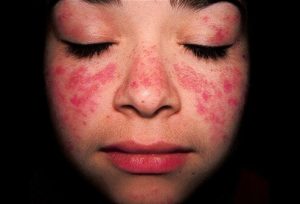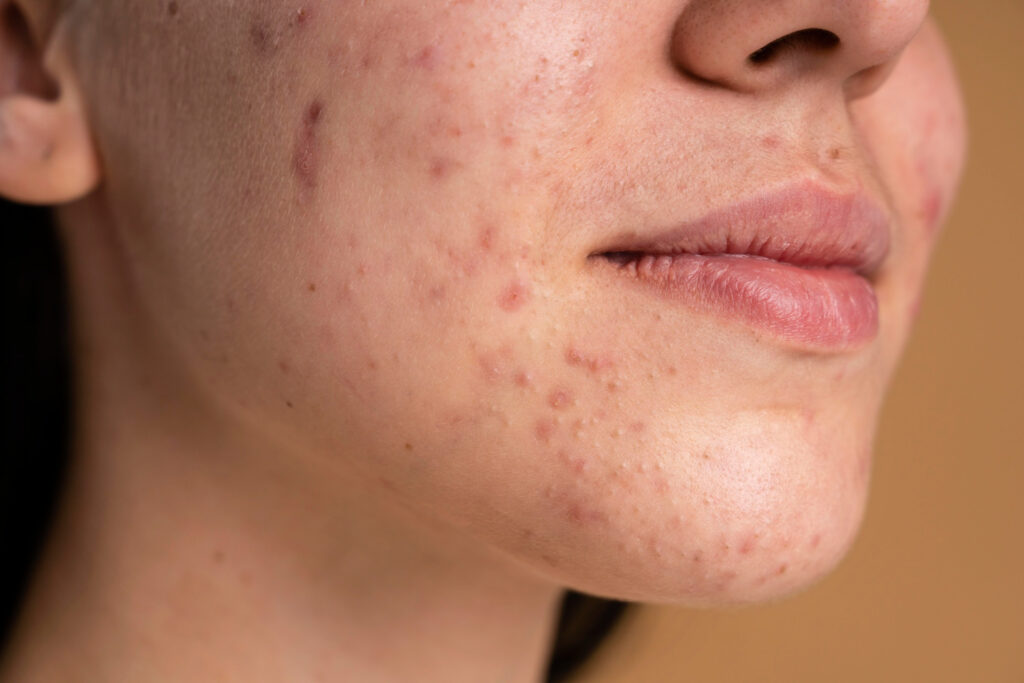
A rash that appears suddenly can be alarming. While many people assume it is an allergic reaction, viral infections are another common cause of skin rashes. Understanding the difference is important because the treatment for an allergy may not be suitable for a viral illness. Knowing the common viral rash symptoms can help you recognise when it is time to seek medical attention.
Key Takeaways
- Not every sudden rash is an allergy; viral infections are a common cause of skin rashes.
- Viral rash symptoms are often accompanied by fever, sore throat, cough, or fatigue.
- Allergic rashes usually appear soon after exposure to a trigger and are commonly very itchy.
- A medical assessment can help identify the cause of the rash and guide appropriate care.
Could Your Rash Be Caused by a Viral Infection Instead of an Allergy?
Although both conditions may cause redness, bumps, or patches on the skin, they often develop for different reasons.
A viral rash is usually caused by,
- Viral infections that trigger the body’s immune response
- Common viruses affecting children and adults
- Certain seasonal viral illnesses
An allergic rash usually develops because of,
- Foods
- Medications
- Insect bites or stings
- Contact with substances such as cosmetics, fragrances, or plants
Looking at the rash alone may not always reveal the cause. Your overall symptoms and medical history are often equally important.
What Are the Common Viral Rash Symptoms?
Recognising viral rash symptoms may help distinguish them from allergic reactions. Common signs include,
- Flat or slightly raised red spots
- Rash spreading across the body over time
- Fever
- Sore throat
- Runny nose or cough
- Tiredness or general body aches
- Swollen lymph nodes in some cases
The appearance of a viral rash can vary depending on the virus involved. Some rashes fade within a few days, while others may last for over a week.
How Is an Allergic Rash Different?
Allergic rashes often have features that differ from viral infections. They may,
- Develop shortly after contact with an allergen
- Be intensely itchy
- Appear as raised hives or welts
- Improve once the trigger is removed or appropriate medication is taken
- Occur without fever or other symptoms of infection
However, these differences are not always clear-cut. Some viral infections can also cause itching, while allergic reactions may occasionally be associated with other symptoms.
When Should You See a Doctor for a Rash?
Many mild rashes improve on their own, but certain situations require medical assessment. Arrange a consultation if you notice,
- A rash that spreads rapidly
- Fever together with the rash
- Painful blisters or skin peeling
- Rash involving the eyes, mouth, or genital area
- Difficulty breathing or swelling of the lips or face (seek emergency medical attention immediately)
- A rash lasting longer than expected without improvement
- Uncertainty about whether the rash is infectious or allergic
Early evaluation helps identify the cause and determine whether further investigations or treatment are required.
How Is the Cause of a Rash Diagnosed?
A doctor will usually assess several factors before reaching a diagnosis. This may include,
- Asking about when the rash started
- Reviewing recent illnesses or medication use
- Identifying possible allergy triggers
- Examining the appearance and distribution of the rash
- Recommending additional tests if clinically appropriate
The treatment plan depends on the underlying cause rather than the appearance of the rash alone.
Can Viral Rashes Be Treated?
Many viral rashes improve as the viral infection resolves. Supportive care may include,
- Staying well hydrated
- Getting sufficient rest
- Managing fever if appropriate
- Using skincare measures to reduce discomfort if recommended by your doctor
If the rash is due to an allergy, avoiding the trigger and receiving appropriate treatment may be necessary. Because different conditions can appear similar, obtaining an accurate diagnosis is important.
Frequently Asked Questions
- Can adults develop viral rashes?
Yes. Although some viral rashes are more common in children, adults can also develop viral infections that cause skin rashes.
- Are viral rashes contagious?
Some viral infections that cause rashes can spread from person to person. Whether they are contagious depends on the specific virus involved.
- Can I tell if my rash is viral just by looking at it?
Not always. Many viral and allergic rashes can look similar. A medical assessment is often needed to determine the cause.
- How long do viral rash symptoms usually last?
The duration varies depending on the underlying viral infection. Some rashes resolve within a few days, while others may take one to two weeks to fade.
Concerned About a Sudden Rash?
If you are experiencing viral rash symptoms or are unsure whether your rash is caused by an allergy or a viral infection, a proper medical assessment can help clarify the diagnosis and guide appropriate management.
At Joyce Lim Skin and Laser Clinic, Dr Joyce Lim provides comprehensive assessment of a wide range of skin conditions, including unexplained rashes. If your symptoms are persistent, worsening, or causing concern, schedule a consultation to receive an appropriate evaluation and personalised treatment plan.