Many people notice small pockets of fat that remain even when they maintain a healthy lifestyle. These areas can sometimes be resistant to diet and exercise. This is where cryolipolysis, a treatment that uses controlled cooling to target fat cells, may be discussed during a dermatology consultation. The treatment is commonly used to address localised fat deposits in certain parts of the body.
If you have been wondering where cryolipolysis can be applied, knowing more about the typical treatment areas can help you decide whether it is something worth discussing with your doctor.
Key Pointers
- Cryolipolysis is designed to address localised fat deposits
- It uses controlled cooling to target fat cells
- Several body areas may be considered for treatment
- It is not intended as a weight-loss treatment
- Suitability should be assessed during a medical consultation
How Does Cryolipolysis Work?
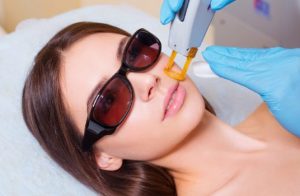
Cryolipolysis works by exposing fat cells to controlled cooling temperatures. Fat cells are more sensitive to cold compared to surrounding tissues.
When these fat cells are exposed to cooling for a specific period, they undergo a gradual process where the body eventually breaks them down and removes them through natural metabolic processes.
The surrounding skin, muscles, and nerves are not typically affected when the treatment is performed using appropriate medical protocols.
Results tend to appear gradually over several weeks to months as the body processes the affected fat cells.
What Areas of the Body Are Commonly Treated With Cryolipolysis?
Cryolipolysis is usually used to address specific areas of localised fat rather than large areas of the body.
Some commonly discussed treatment areas include:
Abdomen
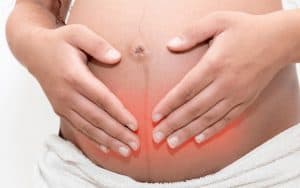
The abdomen is one of the most frequently treated areas. Some individuals notice persistent fat deposits in the upper or lower abdomen, even with regular exercise.
Cryolipolysis may be considered for these localised areas.
Flanks (Love Handles)
Fat along the sides of the waist, often referred to as love handles, can be difficult to reduce through lifestyle changes alone. This area may respond to cooling-based fat reduction treatments.
Thighs
Both the inner thighs and outer thighs may be treated when there are localised fat deposits that affect body contour.
Some individuals seek treatment here to address fat bulges that cause thigh friction or clothing discomfort.
Upper Arms
Fat accumulation in the upper arms may become noticeable over time. Cryolipolysis may be discussed for individuals who wish to address fullness in this area.
Back or Bra Area
Some people experience fat deposits around the upper back or bra line, which may become visible under fitted clothing. Cryolipolysis may be used to target these small areas.
Under the Chin
A small pocket of fat under the chin, sometimes called submental fat, may also be treated using cryolipolysis in selected cases.
This area can contribute to the appearance of a double chin.
Who May Be Suitable for Cryolipolysis?
Cryolipolysis may be considered for individuals who:
- Have localised fat deposits
- Are close to their stable body weight
- Maintain a generally healthy lifestyle
- Prefer non-surgical approaches for fat reduction
It is important to understand that cryolipolysis is not a treatment for obesity and does not replace lifestyle measures such as diet and exercise.
A medical consultation helps determine whether the treatment is suitable and which areas may be appropriate to address.
What Should You Expect During a Consultation?
Before undergoing cryolipolysis, a dermatologist typically performs a clinical assessment to evaluate:
- The location of fat deposits
- Skin condition and thickness
- Overall suitability for the procedure
- Expected outcomes and limitations
During this consultation, your doctor may also discuss alternative options depending on your goals and the characteristics of the treatment area.
Are Results From Cryolipolysis Permanent?
The fat cells affected by cryolipolysis are gradually removed by the body and do not typically regenerate. However, remaining fat cells can still expand if there is significant weight gain. Maintaining a balanced diet and regular physical activity helps support longer-term results.
When Should You Speak With a Dermatologist About Cryolipolysis?
You may wish to speak with a dermatologist if you:
- Notice small areas of stubborn fat
- Are close to your target weight
- Want to understand non-surgical fat reduction options
- Would like to know which treatments may be suitable for your body concerns
A consultation allows your doctor to discuss appropriate treatment options based on your individual situation.
Frequently Asked Questions
1. Is cryolipolysis a weight-loss treatment?
No. Cryolipolysis is intended to address localised fat deposits, not overall weight loss.
2. How long does a cryolipolysis session take?
Treatment duration varies depending on the area being treated, but sessions typically last about 30 to 60 minutes per area.
3. When will results become visible?
Changes usually develop gradually over several weeks to months as the body processes the treated fat cells.
4. Can multiple areas be treated?
In some cases, more than one area may be addressed, depending on the treatment plan recommended by the doctor.
5. Is cryolipolysis suitable for everyone?
Not everyone may be suitable for cryolipolysis. A medical assessment is needed to determine whether the treatment is appropriate.
Considering Cryolipolysis? Start With a Proper Medical Consultation
If you are noticing persistent areas of fat that do not seem to improve with lifestyle changes, it may be helpful to speak with a dermatologist. At Joyce Lim Skin & Laser Clinic, Dr Joyce Lim can assess your concerns and discuss whether cryolipolysis or other treatment options may be appropriate for your goals.
A consultation allows you to understand what the treatment involves, which areas may be treated, and what outcomes to expect. Book a consultation today to explore your options.