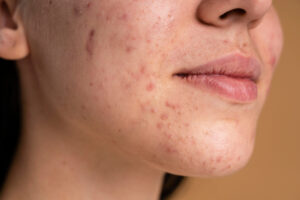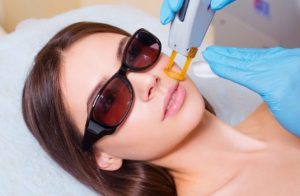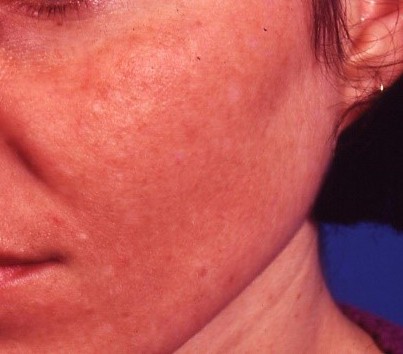
If your skin is already oily or prone to breakouts, adding more hydration might seem counterproductive. You may worry that a Hydrafacial containing hyaluronic acid will leave your skin feeling greasy or cause more pimples.
However, hydration and oil production are not the same thing. While hyaluronic acid helps the skin retain moisture, acne develops through several interacting factors, including excess oil, clogged hair follicles, inflammation and the activity of acne-associated bacteria.
Understanding this distinction can help you decide whether a Hydrafacial is appropriate for your skin.
Key Takeaways
- Hyaluronic acid attracts and retains water; it does not directly increase the skin’s oil production.
- A Hydrafacial may help remove surface impurities, but it is not a substitute for medical acne treatment.
- The suitability of a facial depends on your acne type, skin sensitivity and current condition.
- Active, inflamed or irritated acne may require a different approach to avoid aggravating the skin.
Does hyaluronic acid make oily or acne-prone skin worse?
Hyaluronic acid is a humectant, which means it attracts water and helps maintain moisture in the skin. It is naturally present in the body and is commonly used in skincare products to support hydration.
Oily skin, meanwhile, produces excess sebum, the substance that helps lubricate and protect the skin. Although excess sebum can contribute to clogged pores, hydrating the skin does not automatically mean increasing its oiliness.
This distinction matters because acne-prone skin can also become dehydrated, particularly when someone uses frequent exfoliation, strong acne treatments or cleansers that leave the skin feeling tight.
However, the overall formulation matters. Hyaluronic acid itself is not generally considered a common acne trigger, but other ingredients in a skincare product may not suit every individual. A Hydrafacial’s suitability also depends on the products and treatment steps used.
How might a Hydrafacial help acne-prone skin?
A Hydrafacial is a facial treatment that typically combines cleansing, exfoliation and suction-based removal of surface impurities, alongside the application of skincare solutions.
Depending on the protocol, it may help with certain concerns associated with congested skin, such as surface build-up and the appearance of enlarged pores.
For someone with acne-prone skin, your should consider the following before choosing hydrafacial,
- Surface congestion- Exfoliation and cleansing may help remove dead skin cells and surface debris.
- Skin hydration- Hydrating ingredients, including hyaluronic acid, can help support moisture retention.
- Skin comfort- Appropriate hydration may be useful when the skin feels dry or tight from other skincare products.
However, these potential benefits should not be confused with treating the underlying causes of acne. A Hydrafacial cannot guarantee clearer skin, prevent future breakouts or replace treatments prescribed for persistent acne.
When could a Hydrafacial aggravate existing breakouts?
The condition of your skin matters more than simply whether it is oily.
If you have a few blackheads or mild congestion, a suitably adjusted facial may be an option following an assessment. However, if your skin has numerous inflamed pimples, painful nodules, broken skin or significant irritation, exfoliation and suction may aggravate the affected areas.
You should also inform your practitioner if you are using topical retinoids, benzoyl peroxide or other acne medication, as these may affect your skin’s sensitivity.
Depending on your condition, a clinician may recommend postponing the facial, modifying the treatment or addressing the acne first.
Is a Hydrafacial enough to manage acne?
That depends on the type and severity of your acne.
Acne treatments may include topical retinoids, benzoyl peroxide, azelaic acid or prescription medication, depending on the individual’s needs. These treatments address acne through mechanisms that a cosmetic facial does not necessarily target.
A clinician can assess whether your main concern is clogged pores, inflammatory acne, post-acne marks or a combination of these issues. This distinction helps determine whether a facial may complement your skincare routine or whether medical treatment should take priority.
It is also worth remembering that more frequent exfoliation does not necessarily mean better acne control. Excessive exfoliation can irritate the skin and make it harder to tolerate acne treatments.
Frequently Asked Questions
- Can I have a Hydrafacial if I have active pimples?
Possibly, but it depends on the type and severity of the breakouts. Inflamed, painful or irritated acne may require treatment before a facial is considered appropriate.
- Does hyaluronic acid clog pores?
Hyaluronic acid itself is not generally considered a pore-clogging ingredient. However, the complete formulation and your individual skin response matter when choosing skincare products.
- Will a Hydrafacial make my skin produce more oil?
Hyaluronic acid does not directly stimulate sebum production. However, the overall treatment and products used may affect how your skin feels, so individual responses can vary.
- Can I use acne medication after a Hydrafacial?
This depends on the medication, your skin’s condition and the intensity of the treatment. Some acne products may irritate skin that has recently undergone exfoliation. Ask your treating clinician when to resume your usual routine.
- Should I choose a Hydrafacial or medical acne treatment?
A Hydrafacial may address surface congestion and hydration, while medical acne treatments target the processes responsible for breakouts. The appropriate choice depends on your skin concerns and clinical assessment.
Schedule a Consultation to understand Hydrafacial for Acne-Prone Skin
Hyaluronic acid can support skin hydration without directly increasing oil production, but that does not automatically make every facial suitable for acne-prone skin. The type of acne, degree of inflammation and products used all influence the decision.
If you are considering Hydrafacial for acne, a consultation can help clarify whether the treatment is appropriate for your current skin condition or whether another approach should take priority.
At Joyce Lim Skin and Laser Clinic, Dr. Joyce Lim can assess your skin concerns and discuss suitable options based on your individual needs. Consider arranging a consultation before proceeding with a facial, particularly if you have persistent, inflamed or sensitive acne.