When melanoma is diagnosed, one of the first concerns patients may have is whether treatment automatically means an operation.
Surgery remains an important treatment for many localised melanomas, but it is not the only treatment used in melanoma care. The appropriate approach depends on factors such as the stage of the melanoma, where it is located, whether it has spread and the person’s overall health.
Key takeaways
- Surgery is commonly used when melanoma is confined to the skin.
- More advanced melanoma may be treated with medicines that work throughout the body.
- Immunotherapy and targeted therapy may be considered in selected cases.
- Radiation therapy has a role in particular situations rather than routinely for every melanoma.
- Treatment decisions are based on the individual diagnosis rather than the melanoma name alone.
If melanoma is found early, does that always mean an operation?
For many melanomas that are limited to the skin, removing the melanoma surgically is an important part of treatment. The aim is to remove the tumour along with an appropriate margin of surrounding skin.
Depending on the melanoma’s characteristics, your doctors may also consider whether nearby lymph nodes need further assessment. This does not mean every person with melanoma will require the same procedure.
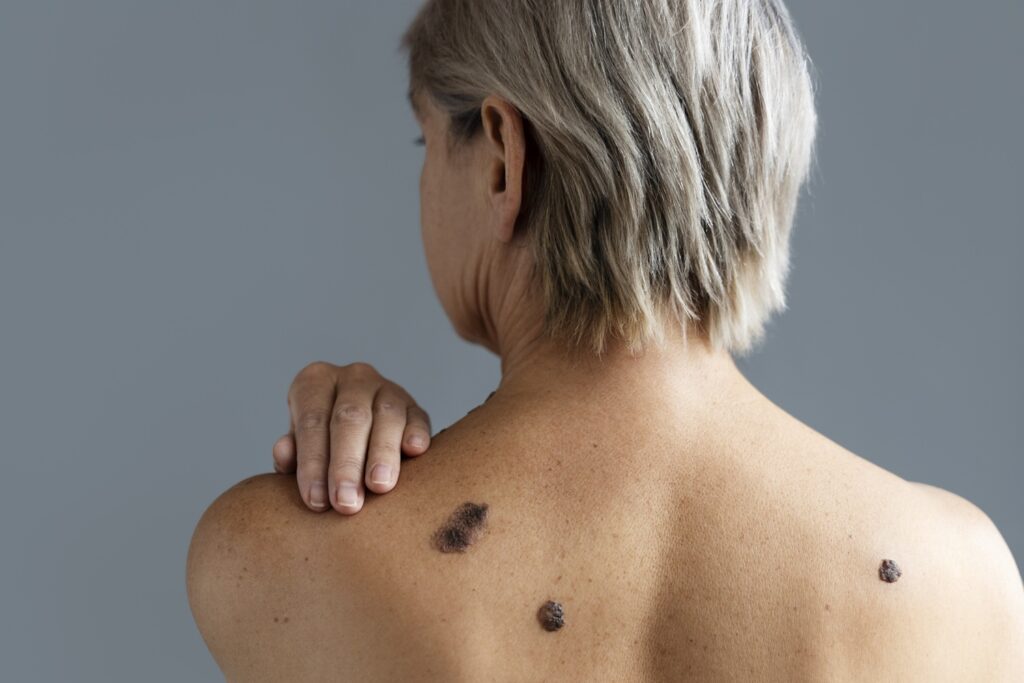
The first step is establishing exactly what has been found. A suspicious skin lesion may need a biopsy so that its cells can be examined and the diagnosis confirmed. The biopsy findings can provide information that helps determine the next stage of management.
What if the melanoma has spread beyond the original skin lesion?
This is where the question of melanoma treatment options becomes more complex.
When melanoma has spread to lymph nodes or other parts of the body, treatment may involve medicines rather than relying on surgery alone. These can include,
- Immunotherapy- which helps the immune system recognise and attack cancer cells.
- Targeted therapy- which may be suitable when the melanoma has particular genetic changes that can be targeted with specific medicines.
- Radiation therapy- which may be considered for selected areas or particular clinical circumstances.
- Surgery- when removing a particular area of melanoma would be appropriate and beneficial as part of the overall treatment plan.
These treatments are not interchangeable, and not every treatment is suitable for every patient. Testing the melanoma and assessing how far it has spread can influence which approaches are considered.
Why might two people with melanoma receive different treatments?
A melanoma diagnosis does not tell the whole story. Doctors may need to consider several details before recommending treatment.
These can include,
- The thickness and characteristics of the melanoma
- Whether there is ulceration or other concerning features
- Whether lymph nodes or distant organs are involved
- Results from tissue and molecular testing where relevant
- Previous treatments and the person’s general health
This is why treatment information found online should not be used to decide whether surgery or medication is appropriate for an individual.
Does avoiding surgery mean the melanoma is being treated less seriously?
In some situations, medicines can play an important role in treating melanoma, particularly when the disease is more advanced or when treatment is being used to reduce the risk of recurrence in selected patients.
The key question is not simply, “Can surgery be avoided?” It is, “What treatment is appropriate for this particular melanoma and its stage?”
Frequently asked questions
Can melanoma be treated without surgery?
Yes. Depending on the stage and individual circumstances, treatment may include immunotherapy, targeted therapy or radiation therapy. However, surgery remains an important treatment for many localised melanomas.
Does every melanoma require lymph node surgery?
No. Whether lymph nodes require further assessment or treatment depends on the melanoma’s characteristics and whether there is evidence of lymph node involvement.
Can medication cure melanoma?
Some medicines can play an important role in treating melanoma, particularly advanced disease, but response varies between individuals. A doctor needs to assess the specific diagnosis before discussing what treatment may be appropriate.
How is the right treatment decided?
Doctors consider the biopsy results, melanoma stage, tumour characteristics, whether it has spread, relevant test results and the individual’s overall circumstances.
Should a changing mole be checked even if it does not hurt?
Yes. Changes in a mole or a new unusual skin lesion can warrant medical assessment. Pain is not required for a skin lesion to need evaluation.
What should you do after a melanoma diagnosis?
There is no single treatment pathway that applies to every melanoma. Understanding the diagnosis and stage is the starting point for discussing the available choices.
For patients in Singapore, Dr. Joyce Lim at Joyce Lim Skin & Hair Clinic can assess suspicious or changing skin lesions and discuss the appropriate next steps based on the clinical findings. A consultation can help clarify what the lesion represents and whether further assessment or treatment is needed.